
Tony Ketterling • July 12, 2024
Strategies to Maximize Your Real Estate Investment Returns
Investing in real estate can be highly profitable, but choosing the right strategy is key to maximizing your returns.
Share This Article


Are you looking to grow your real estate career? Join 3,700+ agents and 70+ brokers who have found their Equity Edge.
Investing in real estate can be highly profitable, but choosing the right strategy is key to maximizing your returns. This week, we will explore four primary real estate investment strategies: buy-and-hold, fix-and-flip, wholesaling, and Real Estate Investment Trusts (REITs). Each approach has unique advantages and risks, making it crucial to align your strategy with your financial goals and risk tolerance.
Buy-and-Hold vs. Fix-and-Flip
Buy-and-Hold:
- Overview: This long-term strategy involves purchasing properties to rent them out, generating a steady income stream while the property appreciates over time.
- Advantages: Consistent cash flow, potential for property appreciation, and tax benefits.
- Risks: Requires property management, potential for tenant issues, and market fluctuations.
- Best for: Investors seeking steady income and long-term growth.
Fix-and-Flip:
- Overview: This short-term strategy focuses on buying properties at a discount, renovating them, and selling them for a profit.
- Advantages: Quick returns, high-profit potential, hands-on involvement.
- Risks: include renovation costs and time, market volatility, and holding costs if the property doesn’t sell quickly.
- Best for: Investors looking for quick returns and who have expertise in property renovation.
The Role of Wholesaling
Wholesaling:
- Overview: Wholesaling involves finding deeply discounted properties and selling the contract to another investor for a fee without ever owning the property.
- Advantages: Low capital requirement, quick turnaround, minimal risk.
- Risks: Finding suitable deals, legal complexities, reliance on a network of buyers.
- Best for: New investors or those with limited capital who excel at negotiation and deal finding.
Investing in Real Estate Investment Trusts (REITs)
REITs:
- Overview: REITs allow investors to buy shares in a portfolio of properties, providing exposure to real estate without direct property ownership.
- Advantages: Liquidity, diversification, passive income, professional management.
- Risks: Market risk, interest rate sensitivity, management fees.
- Best for: Investors seeking exposure to real estate with less hassle and more liquidity.
Choosing the Right Strategy for You
- When selecting a real estate investment strategy, consider your financial goals, risk tolerance, and the level of involvement you desire. Here are a few questions to guide your decision:
- Do you want a steady income or quick profits?
- How much capital do you have to invest?
- Are you willing to manage properties or prefer a more hands-off approach?
- What is your risk tolerance?
Aligning your strategy with your goals and resources can help you maximize your returns and build a successful real estate investment portfolio.
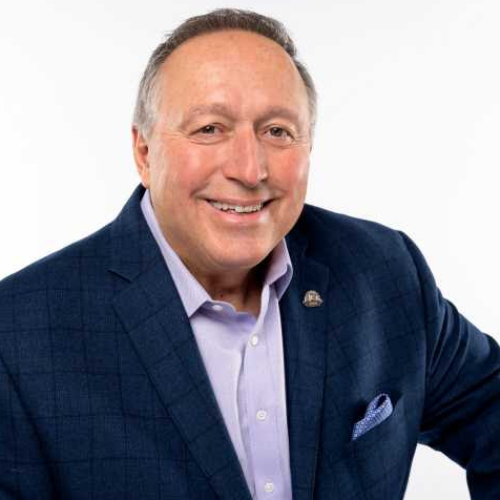
Tony Ketterling
CEO of Equity Real Estate
As the CEO of Equity Real Estate, I bring over four decades of management and leadership experience to the real estate market, where I have been actively involved since 2000. Equity, the #15 independent real estate company in the nation, boasts a constantly growing network of over 3,500 agents. My passion for the industry drives me to support and guide my team in delivering exceptional client service.
Recent posts
View more
Build Systems That Replace You
One of the biggest hidden problems in an agent’s business isn’t a lack of effort—it’s a lack of systems.
Vivian Pellegrino • April 2, 2026

Equity Real Estate Welcomes Tammi Evans and Announces Opening of Equity Wisconsin Rapids Office
Equity Real Estate is proud to welcome Tammi Evans to the Equity Real Estate family and announce the opening of Equity Wisconsin Rapids, a new office serving Wisconsin Rapids and surrounding Central Wisconsin communities.
Tony Ketterling • December 29, 2025

There’s something about Christmas that naturally makes us slow down.
Tony Ketterling • December 19, 2025